





The realm of mental health treatment has been witnessing a renaissance with the resurgence of interest in psychedelic-assisted therapy. This innovative approach, which integrates the use of substances like psilocybin with psychotherapy, has been gaining traction as a potential game-changer for treating psychological disorders such as depression, anxiety, and post-traumatic stress disorder (PTSD). The allure of psilocybin-assisted therapy lies in its reported ability to facilitate profound therapeutic breakthroughs, particularly in cases where conventional treatments have fallen short. But as with any frontier in medicine, it’s essential to navigate with both eyes open, recognizing not only the potential for healing but also the risks that may lurk beneath the surface. Psilocybin and Its Use in Therapy
A recent study published in the Journal of Psychedelic Studies has cast a spotlight on the psychological risks associated with psilocybin-assisted therapy, drawing attention to the experiences of therapists who facilitate these treatments. The study’s findings underscore the complexity of psilocybin’s effects, which can vary dramatically from one individual to another, and are not universally beneficial. As we delve into the intricacies of this treatment, it’s crucial to understand what psilocybin is and how it’s used in therapy, as well as the short-term and long-term psychological risks that have been reported by therapists.
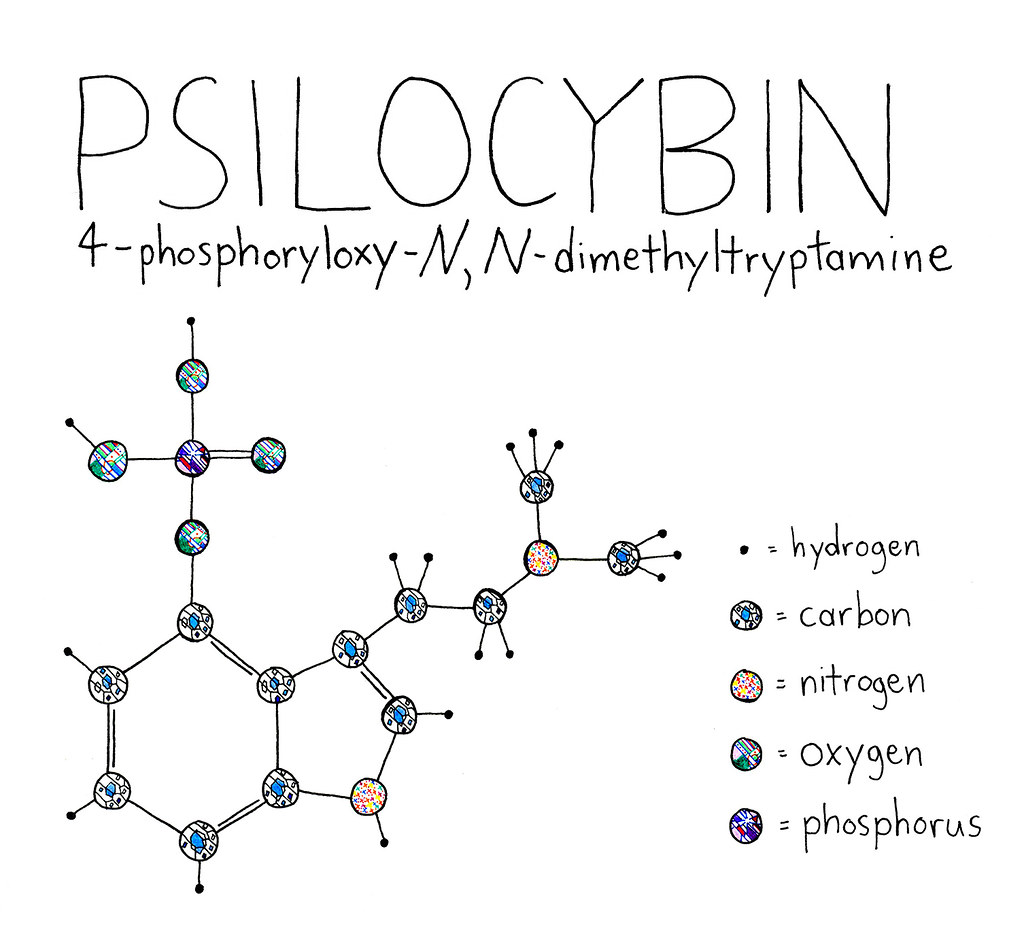
Psilocybin is a naturally occurring psychedelic compound found in over 200 species of mushrooms, colloquially known as ‘magic mushrooms.’ When ingested, psilocybin is converted into psilocin, which primarily affects the serotonin receptors in the brain. This leads to altered perceptions, emotions, and […]
Navigating the Psyche: Unveiling the Psychological Risks of Psilocybin-Assisted Therapy


