






Right now, nearly seven million Americans are living with dementia, and without any major medical breakthroughs, by 2060, this number could rise to almost 14 million. There are many reasons why cases are rising—one of the biggest is that as a society, we are living longer than ever. According to the World Health Organization, today, “most people can expect to live into their sixties and beyond,” and by 2030, one in six people around the world will be 60 or over. This, of course, means that age-related diseases like dementia will be more common.
But aging isn’t the only factor that can lead to a higher risk of dementia. Research suggests that genetics also play a role, as well as modifiable factors like smoking, alcohol use, and diet. This means that some things are within our control—in fact, research suggests that making some simple lifestyle changes might help to reduce the risk of developing the disease, or at least delay its development.
One recent study from Queen’s University Belfast, for example, suggested that consuming more foods and drinks that are rich in flavonoids—a compound found in plant-based ingredients—could reduce the risk of developing dementia by as much as 28 percent.
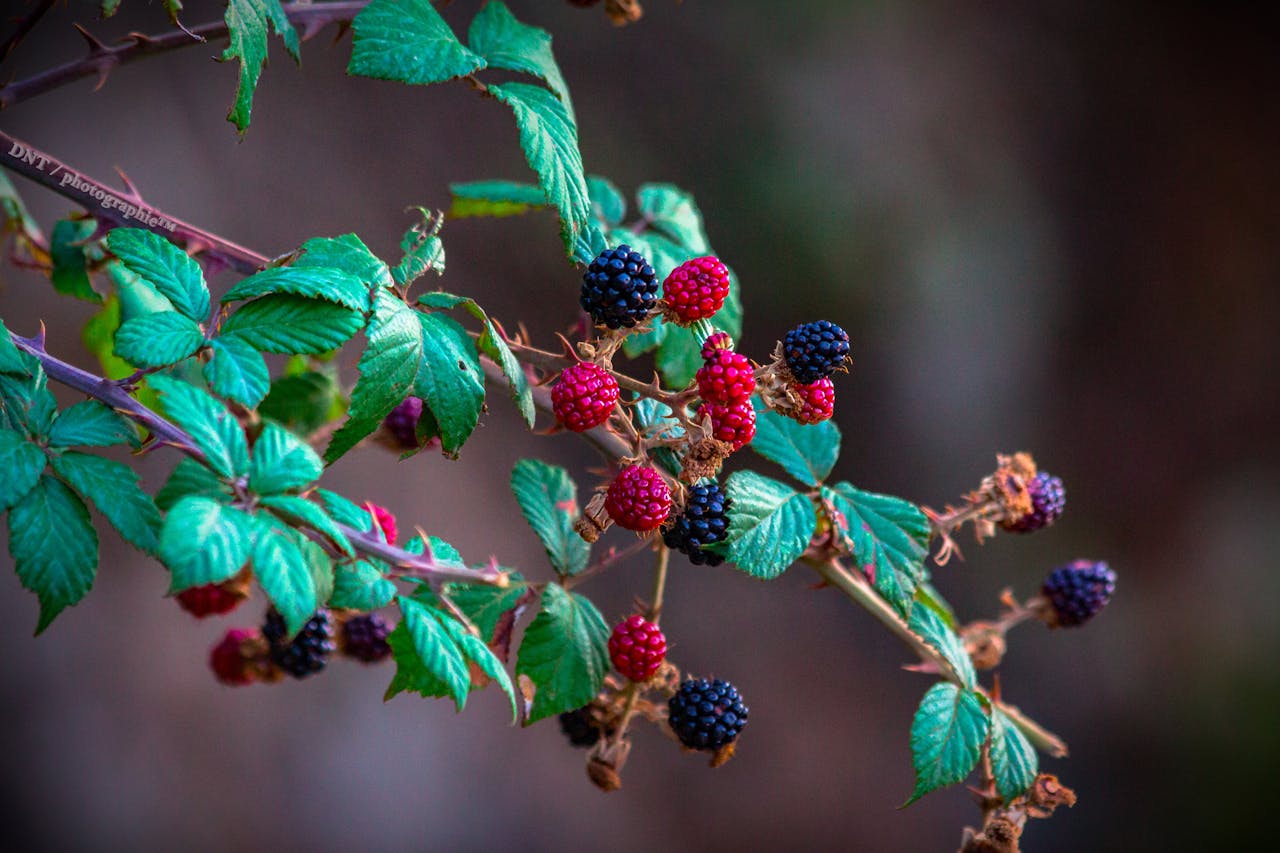
The benefits of eating more flavonoids don’t end here. Research suggests that because of their antioxidant and anti-inflammatory benefits, these plant compounds may also reduce the risk of other common diseases, like heart disease, cancer, and diabetes. But how do you eat more of them? It turns out, it’s as simple as snacking on berries, drinking more tea, and cooking with leafy greens. berries on tree Pexels
RELATED: 8 Expert Diet Tips to Help Lower Your Dementia Risk What are flavonoids?
According to Christine Byrne, MPH, RD—the owner of Ruby Oak Nutrition in Raleigh, NC—flavonoids are technically phytochemicals, which means they have an antioxidant and anti-inflammatory effect on the body. They’re not quite like essential vitamins and minerals, like vitamin C, iron, magnesium, and so on, as there are no recommended targets for their consumption, but they are still incredibly beneficial for our health.
There are six different subtypes of flavonoids; these include […]
Eat More Flavonoid-Rich Foods to Reduce the Risk of Dementia, Cancer, and Heart Disease


