





Key points
Certain kinds of brain injuries protect people against PTSD.
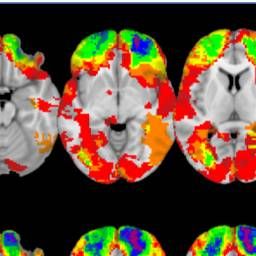
By studying the overlap, we found a PTSD circuit.
We treated the first patient in history with this target and he went into remission.
One day, we might be able to stop PTSD from forming at all, and treating it aggressively if it does.
“Isaiah” asked if there was anything new that might help him.
Isaiah was an older man who’d had a violent childhood . Decade after decade, he experienced terrible nightmares. He was emotionally reactive with his partner. He had suicidal thoughts. He was “jumpy.” He had PTSD . In fact, he had one of the worst cases of PTSD I had ever seen, and I specialize in hard cases.
He couldn’t tolerate the standard treatments. Medications hadn’t made much difference and left him with intolerable side effects. The kind of talk therapy known to work in PTSD required him to intentionally remember his horrifying childhood, a mental activity he understandably wanted to avoid. The times he had tried it had, it seemed, only made it worse. He asked if I could help him. Where PTSD Lives Source: Siddiqi et al / PubMed Preprint
I happened to know something that only about a dozen people in the world knew. I told him we had just discovered a new circuit that might control PTSD and that we could stimulate it with transcranial magnetic stimulation (TMS). I explained: Our colleagues at Harvard had looked at a database of Vietnam veterans. Normally, when soldiers experience a serious combat wound, they are at high risk for PTSD. But some wounds, it seemed, protected the soldiers from PTSD. Shrapnel through certain special regions of the brain seemed prevent PTSD. This network, it seemed, was where PTSD lived . Our colleagues had looked back at old brain stimulation data—the closer treatment was to this newly discovered network, the more improvement patients had with PTSD. Patient #1 I was very clear. He would be the first person in the world to have this treatment. I explained the rationale for the target, and I could give him […]

Get Creative with Cannabis: The Ultimate Guide to Painting and Pottery Workshops
Creative with Cannabis Cannabis and creativity go hand in hand—especially


