





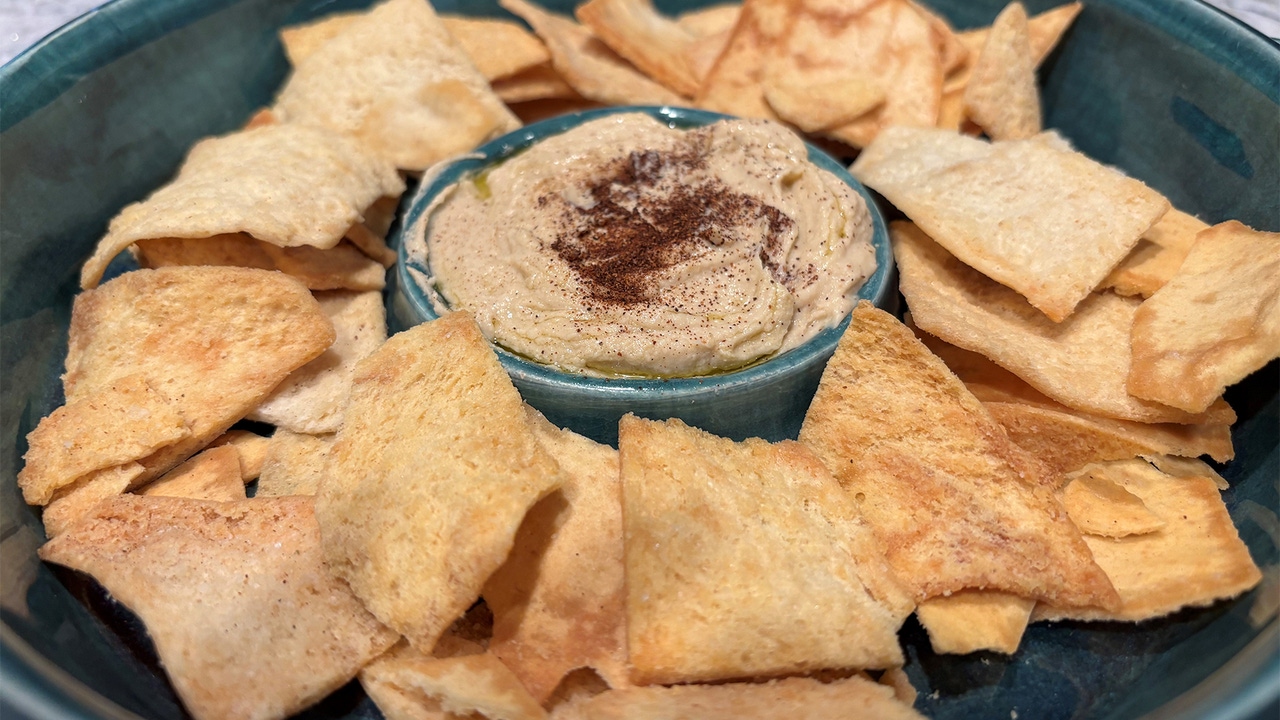
BEANS: A Simple Hummus (yes, that’s the recipe name) uses 3 cups of garbanzo beans to make a tangy, tasty hummus dip. Charlyn Fargo Ware
The latest nutrition obsession? Beans.
That’s right.
The doctor I worked with at Southern Illinois University School of Medicine waited five years on a Bean Club mailing list to be part of the Rancho Gordo Bean Club, based in Napa, Calif. Beans boast high protein, high fiber and low fat, and help lower blood cholesterol and blood pressure. Research suggests that eating beans frequently can improve gut health and might lower the risk for cardiovascular disease, obesity and colon cancer.
But back to Rancho Gordo.
In 2001, Steve Sando, author and founder of the Rancho Gordo company, began selling various varieties of dried heirloom beans at the local farmers market. The beans he grew had vibrant colors, quirky shapes and bold patterns, along with lots of flavor.
Sando, a web designer by day, started with a garden and became a bean evangelist. He would lay out elaborate displays of 20 different kinds of beans in baskets on top of colorful vintage Mexican tablecloths. Sales began to grow. He sold to several well-known California chefs and was featured in well-known food magazines. Now they call him the King of Beans.
Today, Rancho Gordo has 26,000 members who subscribe to its bean club for $200 a year, and another 20,000 on the wait list — which is five years long, according to The Wall Street Journal.
Related: Oats: How to eat the healthiest grain on Earth Sando and his team spent years researching beans to reintroduce indigenous varieties and culinary traditions from across the Americas to consumers in the U.S. Once sourced, the beans are grown in California and a few neighboring states before being picked, dried, packed and sent to customers within a year. That results in a fresher dried bean that tastes better and cooks faster than other dried beans that can sit in warehouses and on shelves for years before arriving to customers.Heirloom beans, Sando says, are just more interesting.Cooking beans is relatively easy: Just simmer until done, Sando explains in […]

Get Creative with Cannabis: The Ultimate Guide to Painting and Pottery Workshops
Creative with Cannabis Cannabis and creativity go hand in hand—especially


