



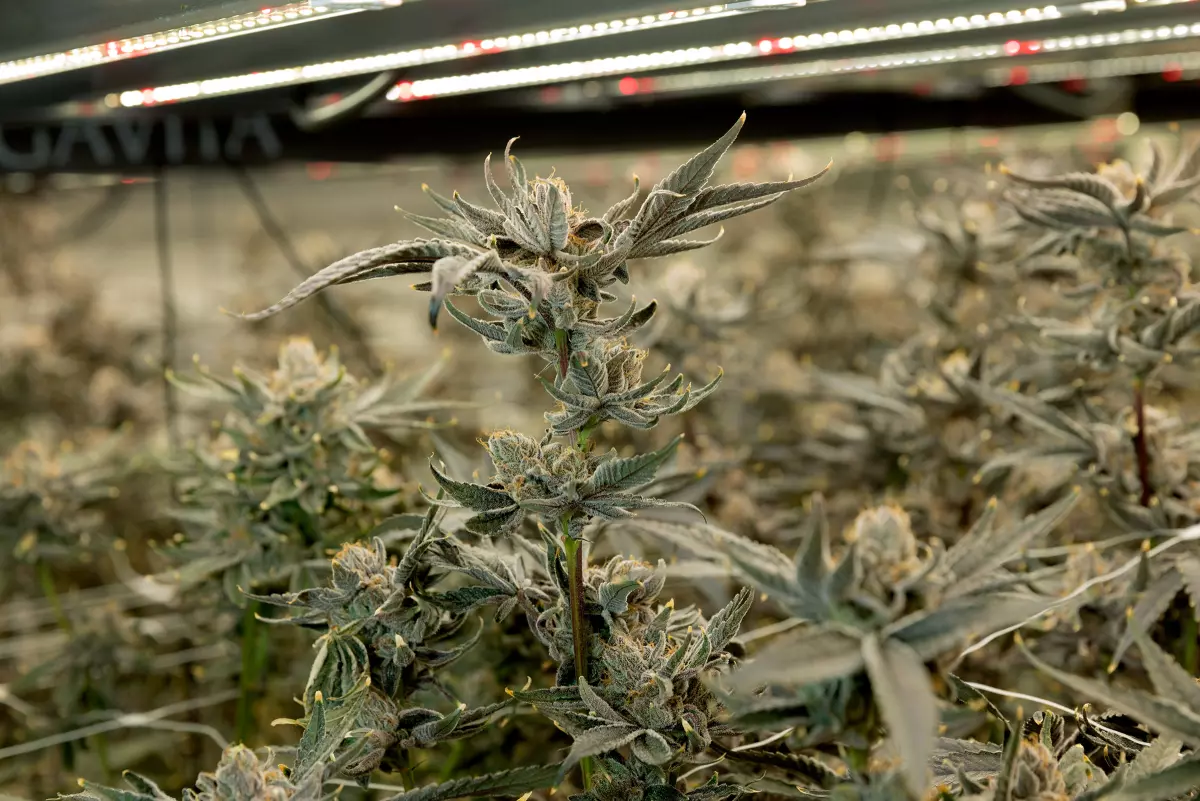


It’s common knowledge that many use cannabis and natural products to treat pain symptoms, especially as the nation reckons with the deadly consequences of the opioid epidemic. But what if aromatic compounds in cannabis could treat chronic pain alone, without the side effects of THC?
These aromatic compounds, called terpenes, give cannabis strains their distinct taste and smell. Terpenes are not unique to cannabis: Linalool is the chemical that makes lavender smell, limonine is the primary component of lemons, beta-caryophyllene gives pepper its kick and geraniol makes up citronella and rose oil.
A study published in Springer Nature online in December found that many of these terpenes reduced postoperative pain in mice and alleviated fibromyalgia symptoms.
“The primary interest in my lab is in finding new and more effective ways to treat chronic pain,” said John Streicher, professor of neuroscience and pharmacology at the University of Arizona and senior author on the paper. “Over the last few years, we’ve been publishing our work on chronic pain, finding that the terpenes are actually highly effective at relieving chronic pain.”
Researchers continue to learn about the hundreds of compounds, including terpenes, in the cannabis plant. In previous studies, terpenes have been found to reduce pain and inflammation, have calming effects and relieve neuropathic pain from chemotherapy.
But there’s much more to learn, especially when translating results from mouse studies to humans and how people actually use terpenes.
To test terpenes’ impact on pain relief, Streicher and his colleagues first performed a small surgery on mice under anesthesia to simulate postoperative pain. They also gave mice resperine, which treats high blood pressure and agitation in humans but, in mice, is a common approach for inducing fibromyalgia, as the drug works to create widespread pain, agitation and hypersensitivity.
Researchers then injected the mice with the terpenes linalool, beta-caryophyllene, geraniol or alpha-humulene, the aromatic compound in hops, and measured their impact on pain relief. They also had a control group of mice that did not receive terpenes.
The terpenes geraniol and alpha-humulene, scientists discovered, significantly relieved pain after surgery, and geraniol and linalool significantly reduced fibromyalgia-induced pain. These effects lasted about two […]

Get Creative with Cannabis: The Ultimate Guide to Painting and Pottery Workshops
Creative with Cannabis Cannabis and creativity go hand in hand—especially


