






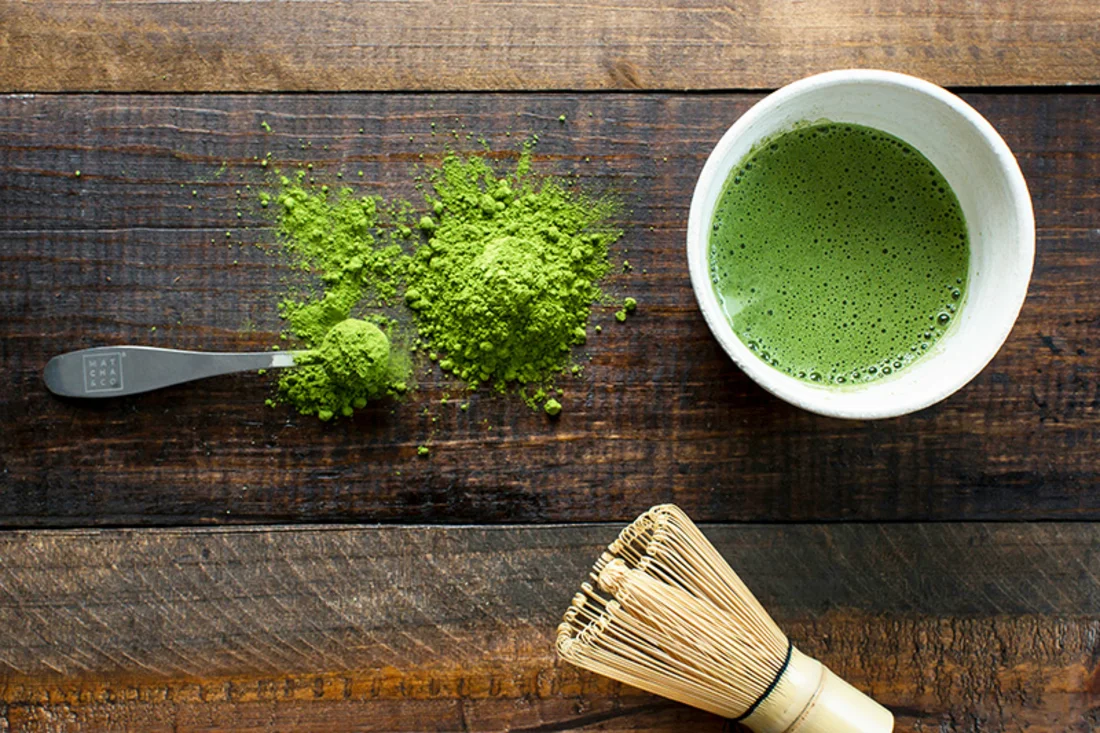
Theanine is the most common amino acid in green tea What are common nootropics and what effect will they have?
By Nenad Naumovski , Amanda Bulman and Andrew McKune
Humans have long been searching for a “magic elixir” to make us smarter, and improve our focus and memory. This includes traditional Chinese medicine used thousands of years ago to improve cognitive function.
Now we have nootropics, also known as smart drugs, brain boosters or cognitive enhancers.
You can buy these gummies, chewing gums, pills and skin patches online, or from supermarkets, pharmacies or petrol stations. You don’t need a prescription or to consult a health professional.
But do nootropics actually boost your brain? Here’s what the science says.
Romanian psychologist and chemist Cornelius E Giurgea coined the term nootropics in the early 1970s to describe compounds that may boost memory and learning. The term comes from the Greek words nӧos (thinking) and tropein (guide).
Nootropics may work in the brain by improving transmission of signals between nerve cells, maintaining the health of nerve cells, and helping in energy production. Some nootropics have antioxidant properties and may reduce damage to nerve cells in the brain caused by the accumulation of free radicals.
But how safe and effective are they? Let’s look at four of the most widely used nootropics.You might be surprised to know caffeine is a nootropic. No wonder so many of us start our day with a coffee. It stimulates our nervous system.Caffeine is rapidly absorbed into the blood and distributed in nearly all human tissues. This includes the brain, where it increases alertness, reaction time and mood, giving the feeling of having more energy.For caffeine to have these effects, you need to consume 32-300 milligrams in a single dose. That’s equivalent to around two espressos. So, why the wide range? Genetic variations in a particular gene (CYP1A2) can affect how fast you metabolise caffeine. So this can explain why some people need more caffeine than others to recognise any neurostimulant effect.Unfortunately too much caffeine can lead to anxiety-like symptoms and panic attacks, sleep disturbances, hallucinations, gut disturbances and heart problems.So it’s recommended adults […]

Get Creative with Cannabis: The Ultimate Guide to Painting and Pottery Workshops
Creative with Cannabis Cannabis and creativity go hand in hand—especially


