





Study reveals anthocyanin-rich elderberry juice improves glucose regulation, enhances fat oxidation, and promotes beneficial gut microbiota changes in overweight adults.
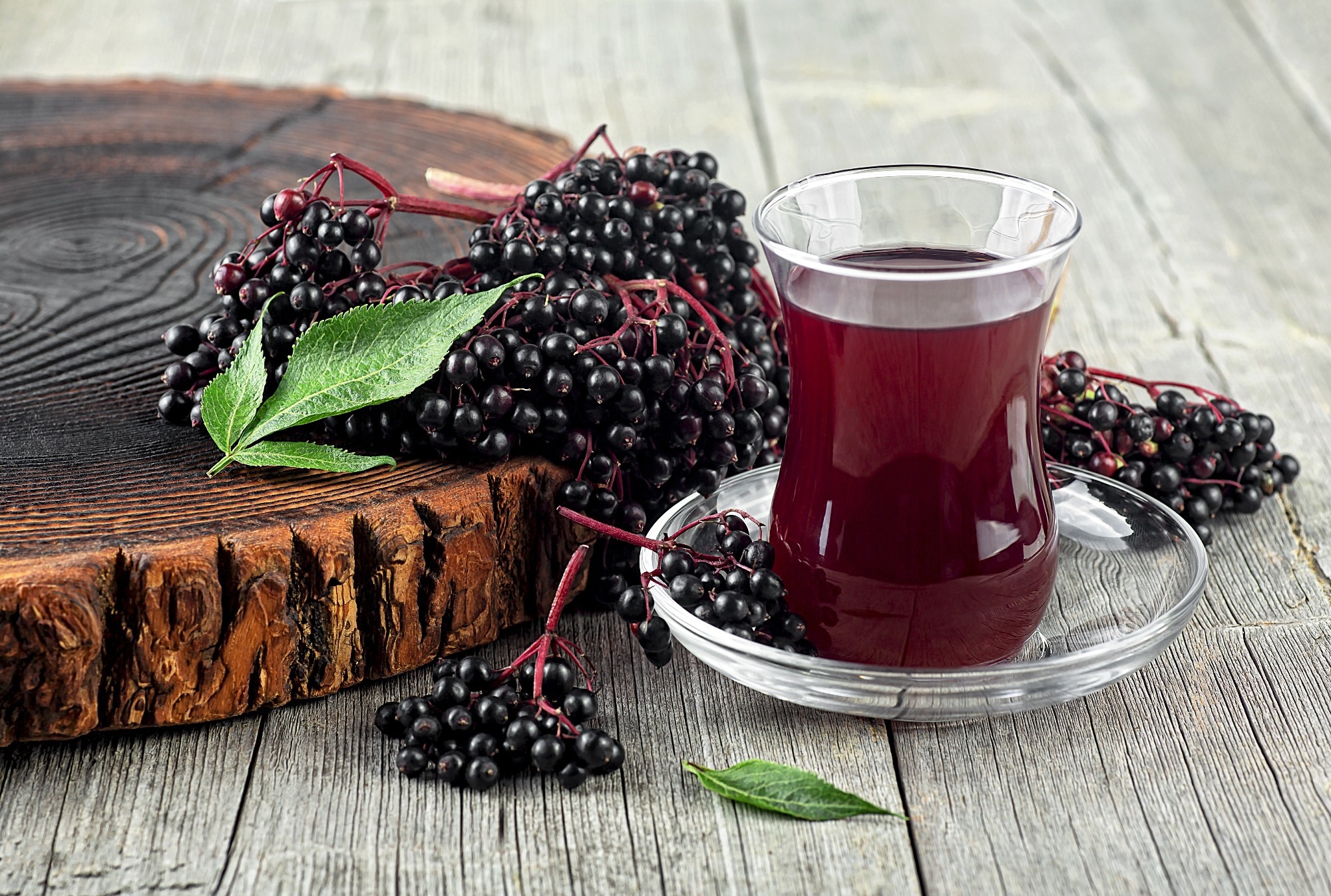
Study: A One-Week Elderberry Juice Intervention Augments the Fecal Microbiota and Suggests Improvement in Glucose Tolerance and Fat Oxidation in a Randomized Controlled Trial . Image Credit: domnitsky/Shutterstock.com
In a recent study published in the Nutrients , a group of researchers evaluated whether anthocyanin-rich elderberry juice (EBJ) modulates gut microbiota, enhances glucose regulation, and improves fat oxidation in overweight or obese adults through a randomized, placebo-controlled study. Background
Over 70% of adults in the United States are overweight or obese, with obesity rates projected to reach 48-55% by 2050. Effective dietary strategies to reduce cardiometabolic complications emphasize bioactive-rich foods, such as polyphenol-dense fruits and vegetables found in Mediterranean-style diets.
Anthocyanins, a flavonoid sub-class, demonstrate potential in managing obesity-related conditions, including diabetes, dyslipidemia, and cardiovascular disease, through mechanisms like modulating the gut microbiome and enhancing adipose and muscle metabolism.
Despite promising evidence from rodent models and small human trials, further research is needed to identify optimal anthocyanin types and doses for improving metabolic health and obesity outcomes. About the study
Female and male participants aged 22 to 75 years were recruited from the Spokane Washington area through various advertising channels, including social media, flyers, and electronic forums. Eligibility was assessed using a health questionnaire, blood chemistry analysis, and anthropometric measurements.
Exclusion criteria included pregnancy, a body mass index (BMI) below 25 kg/m², intolerance to elderberry, gastrointestinal disorders, certain medications, type 2 diabetes requiring prescription management, or recent significant weight changes.
Participants provided written informed consent and agreed to maintain their habitual diets, discontinue most dietary supplements, and avoid high-polyphenol foods such as berries, red-colored fruits and vegetables, and darkly colored legumes for the study duration. The study protocol was approved by the Washington State University (WSU) Institutional Review Board and registered on ClinicalTrials.gov.The randomized, placebo (PL)-controlled crossover study involved two one-week treatment periods separated by a three-week washout phase. Participants consumed 355 g per day of either EBJ or a PL, matched for flavor and appearance, providing 720 mg/day of cyanidin-3-glucoside equivalents.Compliance was […]
Elderberry juice shows promise in boosting gut health and combating obesity


